
Expert Picks For High-Performance Concrete Leveling Equipment
Find out which top-performing products are favored by experts for achieving flawless and long-lasting concrete surfaces.
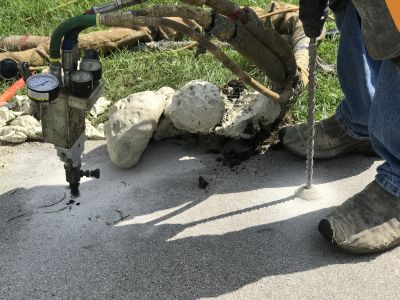 Concrete leveling products are essential tools and materials used to restore the proper elevation and surface smoothness of uneven or sunken concrete slabs. These products are designed to be versatile, effective, and relatively easy to apply, making them suitable for both professional contractors and DIY enthusiasts in Matthews, NC. The process typically involves filling voids, raising the slab to a level position, and stabilizing the surface to prevent future settling or cracking. Common applications include driveways, sidewalks, patios, and garage floors, where maintaining a level surface is important for safety and aesthetics.
Top Overall Option
Polyurethane Foam Injection System
A polyurethane foam injection system offers a minimally invasive approach to leveling uneven concrete slabs. It involves injecting expanding foam beneath the slab to lift and stabilize it, providing a quick and effective solution for various types of unevenness. These systems are valued for their ability to penetrate hard-to-reach areas and for their rapid curing times, making them suitable for both small and large projects. Proper application ensures a durable and stable surface, minimizing future settlement issues.
Types of Products For Concrete Levelings
Self-Leveling Concrete Pours
Fluid mixtures that spread evenly to fill low spots and create a smooth, level surface for interior and exterior applications.
Polyurethane Foam Kits
Expandable foam injections used to lift and stabilize sunken slabs, suitable for various sizes of projects.
Mudjacking Slurry
A cement-based slurry that is pumped beneath slabs to raise and support uneven surfaces, often used for larger areas.
Polymer-Modified Cement
Enhanced cement mixes that provide additional flexibility and bonding strength for leveling applications.
Concrete Resurfacing Products
Thin overlays and coatings that restore the appearance and smoothness of worn or cracked concrete surfaces.
Epoxy Injection Systems
Used to fill cracks and reinforce concrete structures, helping to prevent further deterioration.
Crack Repair Sealants
Flexible sealants that fill surface cracks, preventing water infiltration and further damage.
Hydraulic Cement Patches
Quick-setting cement patches for repairing localized damage and filling voids.
Polymer Patches and Menders
Flexible patches that bond well to concrete, used for surface repairs and minor leveling.
Liquid Leveling Compounds
Pourable products designed to fill and level uneven surfaces with ease.
Underlayment Products
Materials used beneath slabs to improve stability and support for leveling projects.
Vapor Barriers and Moisture Control
Products that prevent moisture infiltration, which can affect the longevity of concrete repairs.
Anchoring and Stabilizing Systems
Devices and materials used to secure slabs and prevent future shifting or settling.
Popular Choices
Widely used for their quick application and effective lifting capabilities across various projects.
Commonly chosen for interior floor leveling and surface smoothing.
Popular for larger slabs requiring substantial lifting and stabilization.
Frequently used for sealing surface cracks and joints to prevent water intrusion.
Preferred for quick repairs of localized damage and void filling.
Popular for restoring worn or uneven surfaces with a smooth finish.
Favored for their ease of use in filling low spots and minor unevenness.
Chosen for minor surface repairs and surface reinforcement.
Commonly used in conjunction with leveling projects to prevent moisture issues.
Popular for stabilizing slabs and preventing future shifting.
Many concrete leveling products are formulated to work with different types of concrete surfaces and varying degrees of unevenness. From self-leveling compounds that flow into cracks and low spots to polyurethane foam injections that expand and lift slabs, there are options tailored to specific project needs. Proper preparation, such as cleaning the surface and removing debris, is crucial to ensure optimal adhesion and effectiveness of these products. Additionally, understanding the underlying causes of unevenness—such as soil settlement, erosion, or improper initial installation—can help determine the most suitable solution.
Choosing the right concrete leveling product involves considering factors like the size of the area, the extent of unevenness, and the desired longevity of the repair. Some products are better suited for small cracks and minor height adjustments, while others are designed for larger, more significant lifts. Safety precautions, curing times, and ease of application are also important considerations. When properly selected and applied, these products can provide a stable, level surface that enhances the safety and appearance of your property in Matthews, NC.
Key Buying Considerations
- Extent of unevenness and size of the area to determine the appropriate product type.
- Type of concrete surface and its condition, including cracks, surface wear, or existing damage.
- Desired duration of the repair and whether a temporary or long-term solution is preferred.
- Ease of application and whether professional assistance is needed for proper installation.
- Curing time and whether the product allows for quick use of the area afterward.
- Compatibility with existing concrete and adhesion properties of the product.
- Environmental conditions, such as moisture levels and temperature, that may affect application.
- Budget constraints and cost-effectiveness of different product options.
- Availability of tools or equipment required for application, especially for larger projects.
- Safety precautions and protective gear needed during application.
- Potential for future movement or settling and whether additional stabilization measures are necessary.
- Surface preparation requirements to ensure optimal bonding and effectiveness.
- Product shelf life and storage considerations.
- Manufacturer instructions and warranty or guarantee terms.
- Environmental impact or toxicity of the product, if relevant to your project.